
Fiction and Poetry
These author connects us to the heart of the natural world through poems and novels.

Author: Kim Stafford
How to Sleep Cold is Stafford’s collection of 17 poems that were written at the Outpost Writing Camp, inspired by the writing prompts (also described in the book) that guided and inspired the group of participants throughout their time at Billy Meadows. The chapbook is both a collection of poems, and a collection of unique workshop prompts that could be adapted for similar purposes, and illustrated with several photographs taken by the poet.
Letterpress printed in a limited edition of 500 copies, How to Sleep Cold is printed on Mowhawk Superfine paper, and folded and sewn by hand into Thai Chiri endsheets and Stonehenge wrappers.
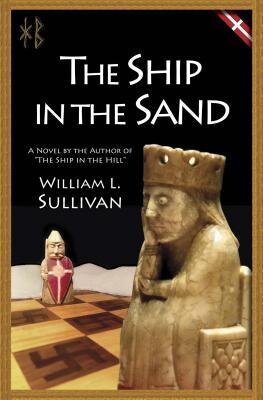
Author: William L. Sullivan
A historical novel set in Denmark and England, "The Ship in the Sand" follows on the success of Sullivan's first Viking-age novel, "The Ship in the Hill," set in Norway.
Harald Bluetooth, the first king of a united Denmark, was a Viking with a conscience. When an English king slaughtered his daughter in a genocidal attach, the Danes took over the English throne. A thousand years later, the English returned the favor by freeing Denmark from the tyranny of the German Nazis.
The book alternates chapters between the two eras, following the Danish archeologist Mette Anderson as she struggles to help her Jewish fiance in World War I. Meanwhile in the Viking age, a sorceress spies for three kings but also serves a mysterious deeper purpose at the behest of the Norse gods. Who is right, and who will win? Only the gods and the archeologists seem to know.
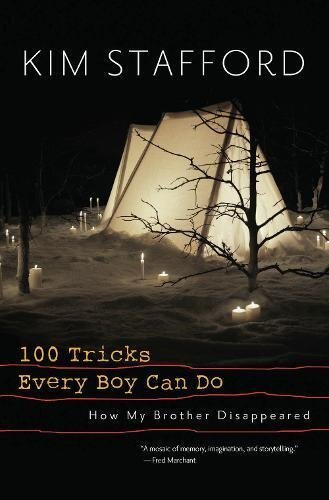
Author: Kim Stafford
Bret and Kim Stafford, the oldest children of the poet and pacifist William Stafford, were pals. Bret was the good son, the obedient public servant, Kim the itinerant wanderer. In this family of two parent teachers, with its intermittent celebration of “talking recklessly,” there was a code of silence about hard things: “Why tell what hurts?” As childhood pleasures ebbed, this reticence took its toll on Bret, unable to reveal his troubles. Against a backdrop of the 1960s — puritan in the summer of love, pacifist in the Vietnam era — Bret became a casualty of his interior war and took his life in 1988. 100 Tricks Every Boy Can Do casts spells in search of the lost brother: climbing the water tower to stand naked under the moon, cowboys and Indians with real bullets, breaking into church to play a serenade for God, struggling for love, and making bail. In this book, through a brother’s devotions, the lost saint teaches us about depression, the tender ancestry of violence, the quest for harmonious relations, and finally the trick of joy.
Author: Kim Stafford
Wild Honey, Tough Salt offers a prismatic view of Earth citizenship, where we must now be ambidextrous. The book takes a stern look inward calling for sturdy character and supple spirit, and a bold look outward seeking ways to engage grief trouble. The book begins with poems that witness a buoyant life in a difficult world: wandering New Orleans in a trance, savoring the life of artist Tove Jansson, reading the fine print on the Mexican peso and the Scottish five-pound note. Clues to untapped energy lie everywhere by the lens of poetry. The book then moves to considerations of the worst in us—torture and war: how to recruit a child soldier? How to be married to the heartless guard? What to say to your child who is enamored by bullets? In the third section, the book offers a spangle of poems blessing earth: wren song, bud growth, river’s eager way with obstacles. And the final section offers poems of affection: infant clarities of home, long marriage in dog years, a consoling campfire in the yard when all seems lost. The book will soften your trouble, and give you spirit for the days ahead.